services
Verruca Needling
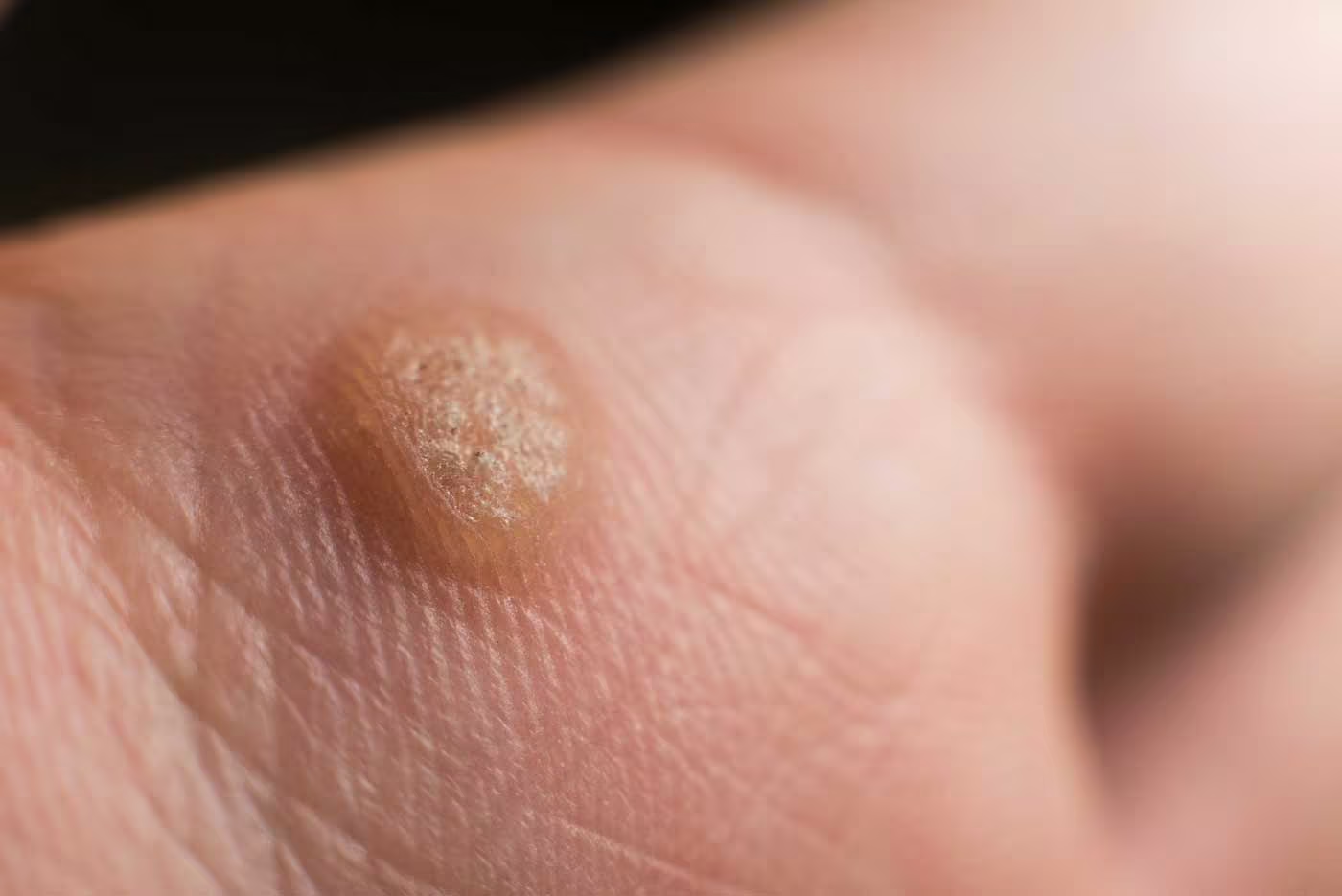
What is a verruca?
Treatment options
People often expect quick results from verruca treatments, but these lesions can be very resistant to treatment. However, evidence suggests that, especially in children and young adults, verrucae often resolve on their own within 2-3 years. Treatment is usually only necessary if verrucas cause pain or affect your quality of life.
Treatments aim to trigger an immune response. Treatment options include self-care with bazzuka, or in clinic using verrutop (a nitrizinc treatment that usually needs 4-6 treatments). However, these methods aren’t always effective. Verruca needling has the highest success rate at 70% for complete resolution.
Needling – what does it involve?
Verruca needling stimulates your immune system and encourages it to attack the verruca. The area is numbed with a local anaesthetic, then a needle is used to push verruca tissue deeper into the skin so that your body recognises an invading virus and responds to fight it. If you have several verrucae, only one needs treatment because the immune response usually attacks all lesions. Visible improvements are usually evident appear after 8 weeks, and complete resolution typically takes up to 16 weeks. Although you may see results after the first session, some people need up to three treatments for full clearance.
You should wait for six weeks after using any other verruca treatments before undergoing needling, as earlier intervention may increase the risk of adverse reactions. Following the procedure, you are advised not to drive home due to numbness in the foot. Potential risks include infection and possible anaphylactic reaction for individuals allergic to local anaesthetics. Post-procedure discomfort may occur and can be managed with pain-killers; however, non-steroidal anti-inflammatory drugs (NSAIDs), such as ibuprofen, should be avoided since they may reduce the immune response. The treated area will be dressed for a few days, after which you should return to the clinic for debridement of the scab which will have formed. A follow-up appointment will then be scheduled to assess the progress of the verruca and determine if additional treatment is required.