
services
Nail Surgery
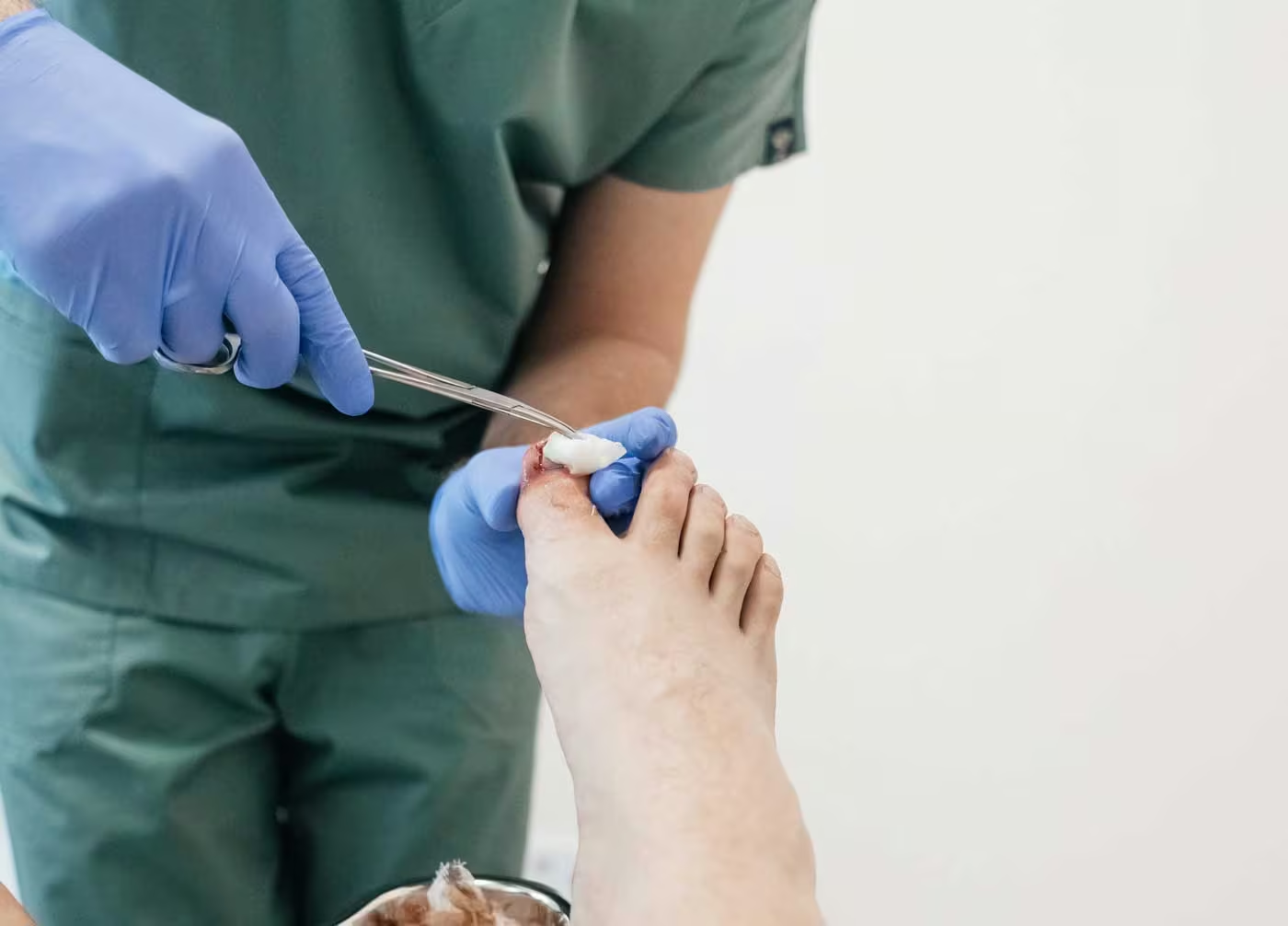
Nail surgery is used for ingrown toenails which are consistent and not settling with conservative treatment of cutting the nail. Either a total nail avulsion (removing the whole nail) or a partial nail avulsion (taking a piece of nail away from the affected side). Nail surgery is carried out with phenol on the nail bed to prevent the nail from growing back, this has a 95% success rate. If there is regrowth of the nail this is often a little corner at the bottom of the nail and doesn’t cause issues.
If you’ve tried cutting the nail differently, or decided to wait it out and the problem keeps returning, this is usually the point where surgery makes more sense than continuing to manage the symptoms.
What Nail Surgery Involves
The nail surgery is done under local anaesthetic, which involves an injection at both sides of the toe. After this you won’t feel any pain, just a little bit of pressure. The toe will remain numb for 2-3 hours. Once the toe is numb a tourniquet is put round the toe to briefly stop the blood supply. The nail will then be taken off and the phenol applied to prevent the nail from growing back, this is then cleaned with saline and the tourniquet taken off. A dressing is then put on the toe and this is kept on and dry for 1 week. Due to the toe being numb you won’t be able to drive home after the nail surgery.
After Care and Healing
It is normal to have a little pain in the toe after nail surgery and pain killers can be taken for this. You should rest and try to elevate the foot as much as possible for the first two days after the nail surgery. The dressings will be changed weekly and should be kept on and dry in between appointments. It normally takes around 8 weeks for complete healing of the wound from the nail surgery.
Is Nail Surgery Right for You?
We typically recommend nail surgery when:
- The same corner of the nail keeps digging into the skin despite correct nail cutting and home care
- The toe has become infected more than once
- You've had conservative ingrown nail treatment before and it hasn't resolved the problem
- The nail shape itself (involuted or pincer-shaped) makes recurrence very likely without surgery
If you’re not sure whether your toenail has reached that point, our ingrown nail treatment service is the right first step for a milder or first-time ingrown toenail, and we can advise on surgery if conservative care doesn’t hold.
Certain conditions, including diabetes with reduced circulation, peripheral vascular disease, or a compromised immune system, need to be assessed carefully before surgery, and in some cases managed jointly with your GP or vascular team. We’ll always check your medical history and circulation at your assessment before booking a surgery date.
What to Expect
Before your appointment. We’ll assess the toe, confirm nail surgery is the right treatment, and talk through the procedure and aftercare so there are no surprises on the day. Wear (or bring) loose, open footwear such as sandals, since the toe will be bandaged afterwards.
During the procedure. A local anaesthetic is injected at the base of the toe. This stings briefly, similar to a dental injection, and then the toe goes numb within a few minutes. From that point you’ll feel pressure and movement during the procedure but not pain. Once numb, a small tourniquet is applied to keep the area free of blood, the affected nail section is removed, and phenol is applied to the nail bed for a controlled period before being rinsed off with saline. The whole appointment usually takes around 30-45 minutes.
Immediately afterwards. The toe remains numb for around two to three hours, and a dressing is applied that needs to stay dry and undisturbed for the first week. Because your toe is numb, you won’t be able to drive yourself home, so please arrange a lift or plan to get a taxi.
Recovery and Aftercare
Some throbbing or discomfort is normal for the first couple of days and usually responds well to over-the-counter pain relief. We recommend resting and elevating the foot as much as possible for the first 48 hours, and avoiding tight or restrictive shoes until we tell you it’s safe.
We’ll see you weekly to change the dressing and check on healing. Between appointments, the dressing needs to stay clean, dry, and undisturbed. This matters more than almost anything else for a good result. Full healing of the wound typically takes around six to eight weeks, though you’ll be back in normal footwear well before that.
Contact us promptly if you notice increasing redness, spreading warmth, worsening pain after the first few days, discharge with an odour, or a fever. These can be signs of infection and are best checked quickly rather than waited out.
Risks and Limitations
Nail surgery is a minor, well-tolerated procedure, but like any procedure it isn’t entirely without risk. These include:
- Post-operative infection (uncommon, and we'll advise you exactly what to watch for)
- Delayed healing, particularly in smokers or people with poorly controlled diabetes
- A small regrowth spicule at the treated corner, which occasionally needs a brief repeat treatment
- Temporary sensitivity or tenderness in the toe for several weeks
- Rare reactions to the local anaesthetic
We’ll talk through anything specific to your circumstances at your assessment, so you’re making an informed decision rather than a rushed one.
Why Choose Active Health for Nail Surgery
Nail surgery at our Dundee and Forfar clinics is carried out by HCPC-registered podiatrists, under the clinical governance of our Clinical Director, Dr David Cashley (PhD, FFPM RCPS Glasgow, MRCPod, HCPC CH13665), who has practised in Dundee for over 30 years and holds an honorary research fellowship with the University of Dundee Medical School. That combination of hands-on clinical experience and an active research background is part of why local GPs and patients across Angus and Dundee refer to the clinic for foot and nail problems that haven’t settled elsewhere.
You can meet the full clinical team, including the podiatrists who carry out nail surgery day to day, on our meet the team page.
Nail Surgery Cost
Full, up-to-date pricing is listed on our pricing page, and our reception team is happy to confirm costs for your specific case before you book.
FAQs
Frequently Asked Questions
Can't find the answer to your question?
Send us a message and we’ll get back to you as soon as possible!
What is nail surgery for ingrown toenails?
Nail surgery is a minor procedure to permanently remove part or all of a problem toenail, using phenol on the nail bed to stop that section from growing back. It’s used when ingrown toenails keep recurring despite conservative treatment.
Is nail surgery painful?
The procedure itself is done under local anaesthetic, so you shouldn’t feel pain during it, only pressure. The anaesthetic injection itself causes brief stinging. Mild to moderate discomfort for a day or two afterwards is normal and manageable with standard pain relief.
How long does the procedure take?
Most nail surgery appointments take between 30 and 45 minutes, including time for the anaesthetic to take effect.
Will my toenail grow back after surgery?
The treated section is designed not to regrow, because phenol is applied to destroy that part of the nail matrix. Occasionally a small, harmless sliver of nail regrows at the corner, but this rarely causes further problems.
How successful is phenol nail surgery?
Published clinical studies consistently report long-term success rates above 95% for phenolisation, with low recurrence rates compared with simply cutting or removing the nail without treating the matrix.
Can I drive myself home after nail surgery?
No. Your toe will be numb for two to three hours after the procedure, which makes driving unsafe. Please arrange a lift home.
What's the recovery time after nail surgery?
Most people are back in normal, roomier footwear within one to two weeks and fully healed within six to eight weeks. Weekly dressing changes and keeping the dressing dry are the biggest factors in a smooth recovery.
What are the risks of nail surgery?
The main risks are infection, delayed healing (more likely with smoking or poorly controlled diabetes), a small regrowth spicule, and temporary tenderness. Serious complications are uncommon, and we screen for risk factors before booking surgery.
Do I need a GP referral for nail surgery in Dundee?
No referral is needed. You can book an assessment directly with our clinic, and we’ll advise whether nail surgery, conservative treatment, or a joint approach with your GP is the right route.
How much does nail surgery cost?
Cost depends on whether one or both sides of the nail need treatment. See our pricing page for current fees, or call reception on 01382 779399 for a quote based on your specific case.