
condition
Verruca: Causes, Symptoms, and Treatment Options
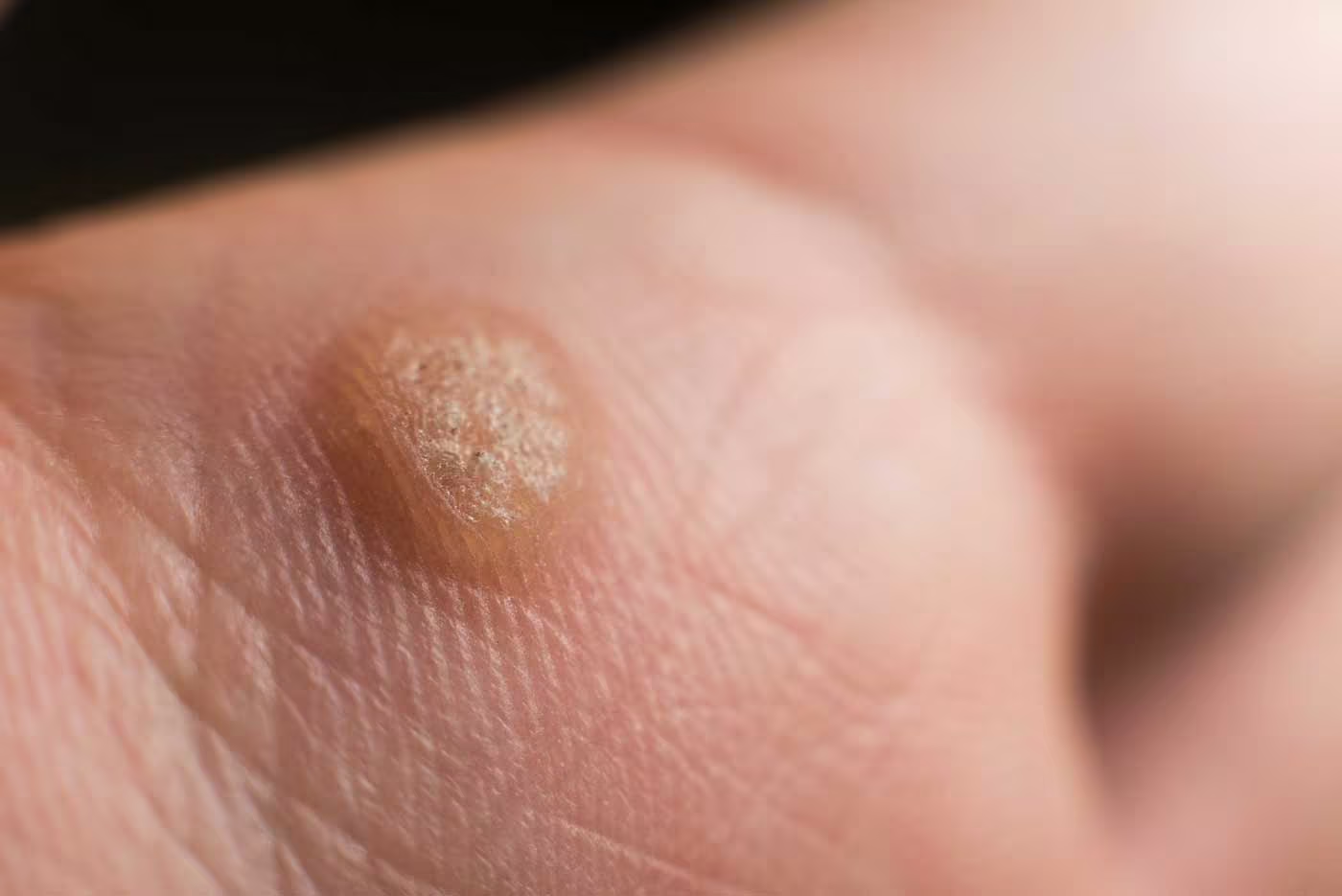
Verrucas, also known as plantar warts, are a common viral skin condition that affect the soles of the feet. They are caused by strains of the human papillomavirus (HPV) and can affect people of all ages, particularly children and young adults.
While many verrucas are painless and harmless, others can become uncomfortable, painful, or socially distressing. Choosing the right treatment depends on symptoms, age, and how the verruca is affecting day-to-day life.
What Is a Verruca?
A verruca is caused by certain strains of the HPV virus. HPV is extremely common — it is present on the skin of around 90% of people. However, not everyone develops verrucas.
For a verruca to form:
- The virus must enter through a break in the skin, such as a small cut or graze
- The immune system must fail to recognise and clear the virus
- This explains why some people never develop verrucas, while others do.
Are Verrucas Contagious?
It is a common misconception that verrucas are easily spread. Most people already carry HPV on their skin, and infection requires a skin abrasion. Transmission from walking barefoot is therefore unlikely.
The Swimming Association no longer recommends verruca socks, as they are unnecessary and can stigmatise children.
Verruca Symptoms
Verrucas may appear as:
- Small rough lesions on the sole of the foot
- Areas of thickened skin with black dots (clotted blood vessels)
- Lesions that interrupt normal skin lines
- Pain or tenderness when standing or walking
- Discomfort that feels like standing on a pebble
- Many verrucas are completely painless and only noticed visually.
Do Verrucas Need Treating?
Not always.
Evidence shows that non-symptomatic verrucas, particularly in:
- Children
- Teenagers
- Young adults under 22
…often resolve on their own within 2–3 years as the immune system recognises the virus.
Treatment is usually recommended when:
- The verruca is painful
- Walking or sport is affected
- The verruca is spreading
- There is significant distress or embarrassment
- Conservative treatments have failed
Verruca Treatment Options
Many treatments aim to stimulate an immune response, as the immune cells that fight the virus are not naturally present in the affected skin layer.
Common treatment options include:
- Bazuka® or similar home treatments Slow, variable results and require long-term compliance
- Verrutop® (nitric-zinc solution) In-clinic treatment usually requiring 4–6 sessions
- Chemical or thermal destruction (“burning”) Often uncomfortable and typically requires multiple treatments
While these treatments can work, success rates are inconsistent.
Verruca Needling (Faulkner’s Needling)
The Most Effective Treatment Option
Verruca needling has the highest success rate, with studies showing approximately 70% complete resolution, along with partial resolution in many remaining cases.
How Verruca Needling Works
Verruca needling works by deliberately triggering a strong immune response.
The procedure involves:
- Local anaesthetic to fully numb the area
- A fine needle used to push verruca tissue deeper into the skin
- This exposes the virus to immune cells that can now recognise and attack it
If you have multiple verrucas, only one needs to be treated, as the immune response usually clears all lesions.
What to Expect After Needling
- Visible changes often begin after 8 weeks
- Full resolution usually occurs by 16 weeks
- Many patients need only one treatment
- Some may require up to three treatments for complete clearance
- Important Pre- and Post-Procedure Advice
Before needling:
- Wait 6 weeks after using any other verruca treatments
- Earlier treatment may increase the risk of adverse reactions
After needling:
- Do not drive home, as the foot will be numb
- Expect some post-procedure discomfort
- Use paracetamol only for pain relief
- Avoid NSAIDs (e.g. ibuprofen), as they may reduce the immune response
- Keep the dressing on for 48 hours
- Return after 1 week for debridement of the scab
- Follow-up review at 8 weeks to assess progress
Risks of Verruca Needling
Verruca needling is generally very safe. Potential risks include:
- Infection (rare)
- Post-procedure soreness
- Very rare allergic reaction to local anaesthetic
- Your podiatrist will assess suitability and discuss risks beforehand.
FAQs
Verruca FAQs
Why don’t verrucas respond quickly to treatment?
The immune cells that clear the virus are not naturally present in the affected skin layer, making verrucas particularly stubborn.
Can verrucas come back after needling?
Recurrence is uncommon once the immune system has been successfully activated.
Is verruca needling suitable for children?
It can be, but because many verrucas resolve naturally in younger patients, treatment is usually reserved for painful or persistent cases.
FEATURES
Verruca Features
Feature
Traditional Treatments
Verruca Needling
Main mechanism
Local tissue destruction
Immune system activation
Number of treatments
Often 4–6+
Usually 1
Success rate
Variable
~70% complete resolution
Treats multiple verrucas
No
Yes
Pain during treatment
Often
Minimal (local anaesthetic)
Recurrence risk
Moderate
Low
Understanding Verrucas
Verrucas are common, benign viral lesions that often resolve naturally, particularly in younger people. However, when treatment is required, verruca needling offers the highest success rate by activating the body’s own immune response.
Faulkner’s needling is a safe, effective, and evidence-based option that can provide long-term resolution — often after a single treatment.