
condition
Corn & Callus: Causes, Symptoms, and Treatment Options
Corns and callus are common foot skin conditions caused by repeated pressure and friction. While they are not dangerous, they can become painful, limit walking, and significantly affect quality of life if left untreated.
Although corns and callus are often grouped together, they are not the same condition and require different treatment approaches. Effective management depends on identifying why the pressure is occurring in the first place.
What Are Corns and Callus?
Corns and callus develop when the skin responds to repeated mechanical stress by thickening to protect itself.
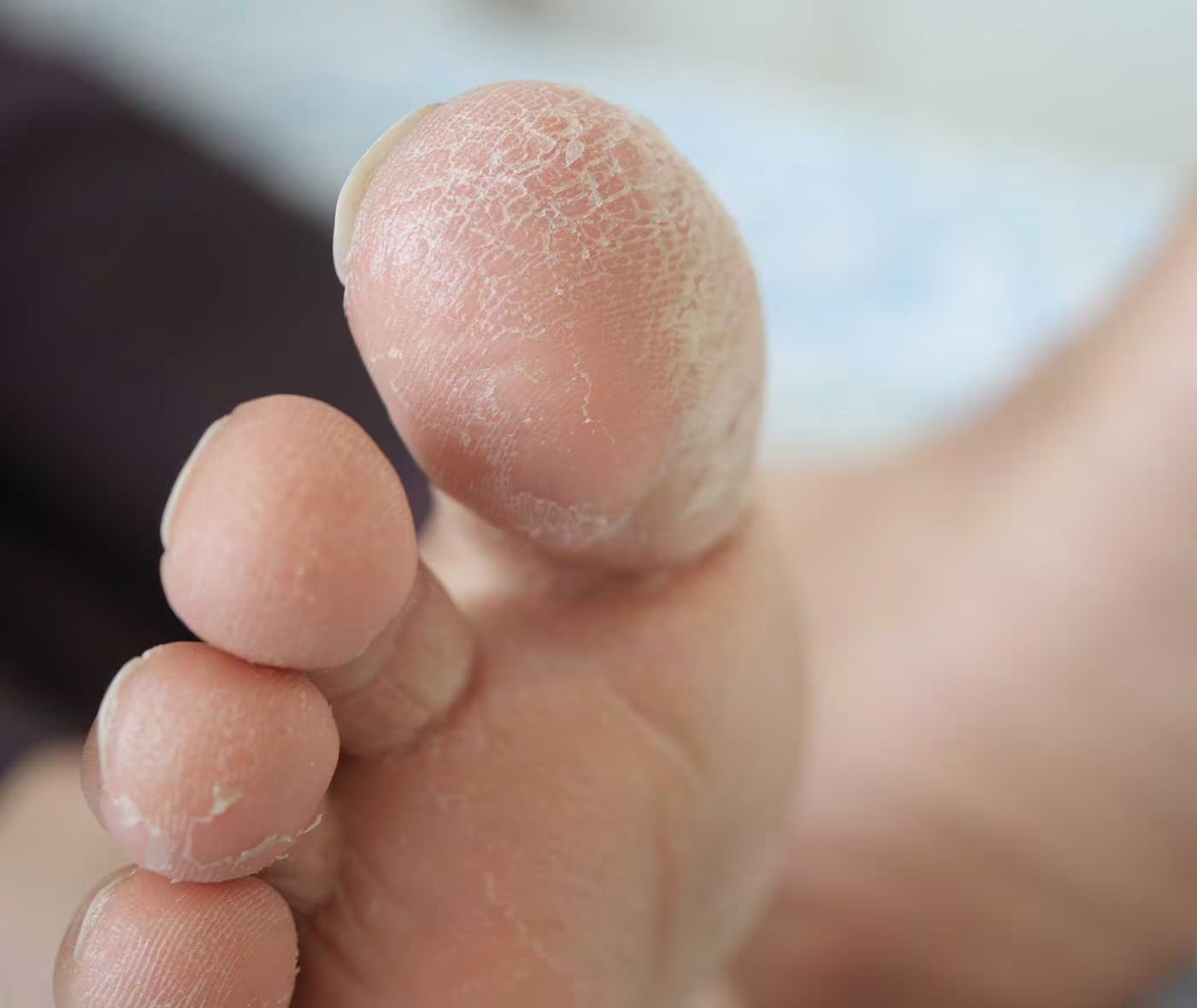
- Callus is a broad area of thickened skin that forms over weight-bearing areas.
- Corn is a localised, often deeper area of hardened skin with a central core that can press into underlying tissue.
Both are signs of excessive pressure rather than skin disease.
Symptoms of Corns and Callus
Symptoms vary depending on location and severity but commonly include:
- Thickened, hard, or rough skin
- Yellow or grey areas of skin build-up
- Localised pain or tenderness
- Sharp pain when walking (more common with corns)
- Burning or aching discomfort under pressure
- Skin cracking or fissures in severe callus
Pain is usually worse with footwear or prolonged standing.
Common Locations
Corns and callus typically develop in predictable areas:
- Under the ball of the foot
- Under the heel
- On the tops or tips of toes
- Between toes (soft corns)
- Along bony prominences
Common Causes of Corns and Callus
Corns and callus form due to repeated pressure or friction. Contributing factors include:
- Poorly fitting footwear
- High pressure points from foot shape or deformity
- Bunions, hammer toes, or clawed toes
- Flat feet or high arches
- Loss of natural fat padding
- Prolonged standing or walking
- Poor foot mechanics
- Diabetes or reduced sensation (increasing risk)
Simply removing the hard skin without addressing these causes often leads to recurrence.
How Corns and Callus Are Diagnosed
Diagnosis is usually straightforward and based on clinical examination. Your podiatrist will assess:
- Skin thickness and location
- Foot posture and biomechanics
- Pressure points during walking
- Footwear fit and wear patterns
Importantly, corns and callus must be distinguished from other causes of foot pain such as plantar warts, stress injuries, or nerve-related pain.
Corns and Callus Treatment Options
Treatment focuses on relieving pressure, reducing pain, and preventing recurrence.
Common treatment options include:
- Safe reduction of hard skin by a podiatrist
- Footwear advice and modification
- Padding or pressure offloading
- Orthotic insoles to redistribute pressure
- Treatment of underlying foot deformities
- Moisturising and skin care advice
Over-the-counter corn plasters are not recommended, particularly for people with diabetes or poor circulation, as they can damage healthy skin.
When to See a Podiatrist for Corns or Callus
You should seek professional care if:
- The area is painful or worsening
- Corns or callus keep returning
- Walking or daily activities are affected
- You have diabetes, poor circulation, or reduced sensation
- There is cracking, bleeding, or signs of infection
Regular podiatry care can dramatically improve comfort and reduce recurrence.
FAQs
Corns and Callus FAQs
Are corns and callus the same thing?
No. Callus is a broad area of thickened skin, while a corn is a smaller, more localised lesion with a central core that often causes sharp pain.
Can I cut corns or callus myself?
No. Cutting skin at home increases the risk of infection and injury, particularly if circulation or sensation is reduced.
What shoes help prevent corns and callus?
Well-fitting shoes with adequate width, cushioning, and low heel height are best. Avoid tight, narrow, or high-heeled footwear that increases pressure points.
Corns vs Callus: Key Differences
Feature
Corn
Callus
Size
Small and localised
Larger and more diffuse
Depth
Often deep with a central core
Superficial skin thickening
Pain
Usually painful with pressure
Often painless or mildly uncomfortable
Common locations
Toes, between toes, bony areas
Heel, ball of foot
Cause
Localised pressure or friction
Repeated widespread pressure
Treatment focus
Offloading and precise pressure relief
Pressure redistribution and skin care
Understanding Corn & Callus Treatment
Corns and callus are common pressure-related foot conditions caused by abnormal loading rather than skin problems. While they may seem minor, they can cause significant discomfort and interfere with walking if not managed properly.
Effective treatment requires addressing the underlying cause of pressure, not just removing hard skin. A podiatrist can assess foot mechanics, footwear, and pressure points to provide lasting relief.