
condition
Ingrown Toenails: Causes, Symptoms, and Treatment Options
What Is an Ingrown Toenail?
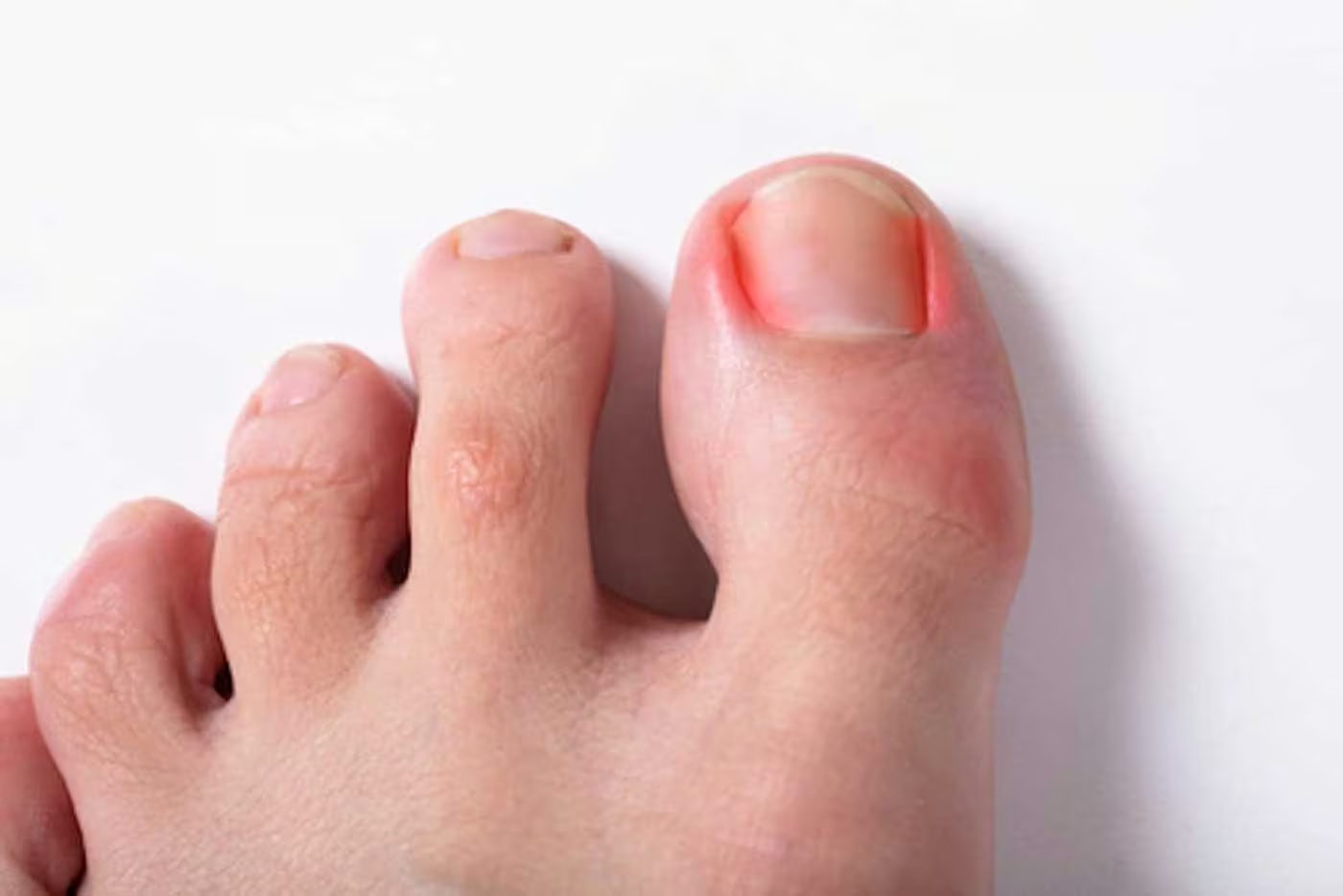
An ingrown toenail occurs when the side or corner of a toenail penetrates the adjacent skin, triggering inflammation and sometimes infection. This leads to pain, swelling, and redness along the nail edge.
Ingrown toenails are a mechanical problem rather than a nail disease and are usually caused by pressure, nail shape, or improper nail care.
Symptoms of Ingrown Toenails
Symptoms may develop gradually or appear suddenly. Common symptoms include:
- Pain or tenderness along the side of the toenail
- Redness and swelling around the nail edge
- Pain when walking or wearing shoes
- Warmth or throbbing around the toe
- Discharge or pus if infection is present
- Overgrowth of skin around the nail (hypergranulation tissue)
Pain often worsens with tight footwear or activity.
Common Causes of Ingrown Toenails
Pain often worsens with tight footwear or activity.
Ingrown toenails usually develop due to pressure on the nail or improper nail growth. Contributing factors include:
- Incorrect nail cutting (rounding the corners)
- Tight or narrow footwear
- Trauma to the toenail
- Naturally curved or thickened nails
- Repetitive pressure from sport
- Excessive sweating or soft skin
- Genetic nail shape
- Poor foot hygiene
Once an ingrown toenail has developed, it rarely resolves without appropriate treatment.
How Ingrown Toenails Are Diagnosed
Diagnosis is usually made through clinical examination. Your podiatrist will assess:
- Nail shape and growth pattern
- Severity of inflammation or infection
- Presence of swelling or discharge
- Footwear and mechanical pressure
In cases of repeated infection, the nail may be examined for fungal involvement or other contributing factors.
Ingrown Toenail Treatment Options
Treatment depends on the severity of the ingrown toenail and whether infection is present.
Conservative Treatment Options
For early or mild cases:
- Careful removal of the ingrown nail edge
- Reduction of surrounding inflamed tissue
- Padding or pressure relief
- Footwear advice
- Nail-cutting education
- Topical treatments if required
Surgical Treatment Options
For recurrent or severe cases:
- Partial nail removal (partial nail avulsion)
- Permanent nail edge removal using chemical or surgical techniques
- Treatment is performed under local anaesthetic
- High success rate with minimal downtime
Surgical treatment is safe, effective, and often provides permanent resolution.
When to See a Podiatrist for an Ingrown Toenail
You should seek professional care if:
- Pain persists or worsens
- There are signs of infection (redness, swelling, discharge)v
- The problem keeps recurring
- Walking or wearing shoes is difficult
- You have diabetes, poor circulation, or reduced sensation
Early treatment reduces pain, speeds recovery, and lowers the risk of infection.
FAQs
Ingrown Toenail FAQs
Can an ingrown toenail heal on its own?
Mild cases may temporarily settle, but ingrown toenails commonly recur without proper treatment.
Should I dig the nail out myself?
No. Home treatment often worsens inflammation and significantly increases the risk of infection.
Is ingrown toenail surgery painful?
The procedure is performed under local anaesthetic, so pain is minimal. Most patients return to normal footwear within days.
FEATURES
Ingrown Toenail Features
Feature
Ingrown Toenail
Primary structure affected
Toenail and surrounding skin
Most common location
Big toe
Main symptoms
Pain, redness, swelling
Infection risk
Moderate to high if untreated
Common cause
Nail cutting, pressure, nail shape
Conservative treatment
Nail edge removal, pressure relief
Surgical option
Partial nail avulsion
Recurrence risk
Low after definitive treatment
Understanding Ingrown Toenails
Ingrown toenails are a painful but very treatable condition. While early cases may respond to conservative care, recurrent or infected ingrown toenails often require a minor surgical procedure for lasting relief.
A podiatrist can assess nail shape, footwear, and pressure factors to provide safe, effective treatment and help prevent future problems.