
condition
Posterior Tibial Tendon Dysfunction (PTTD): Symptoms, Causes, and Treatment Options
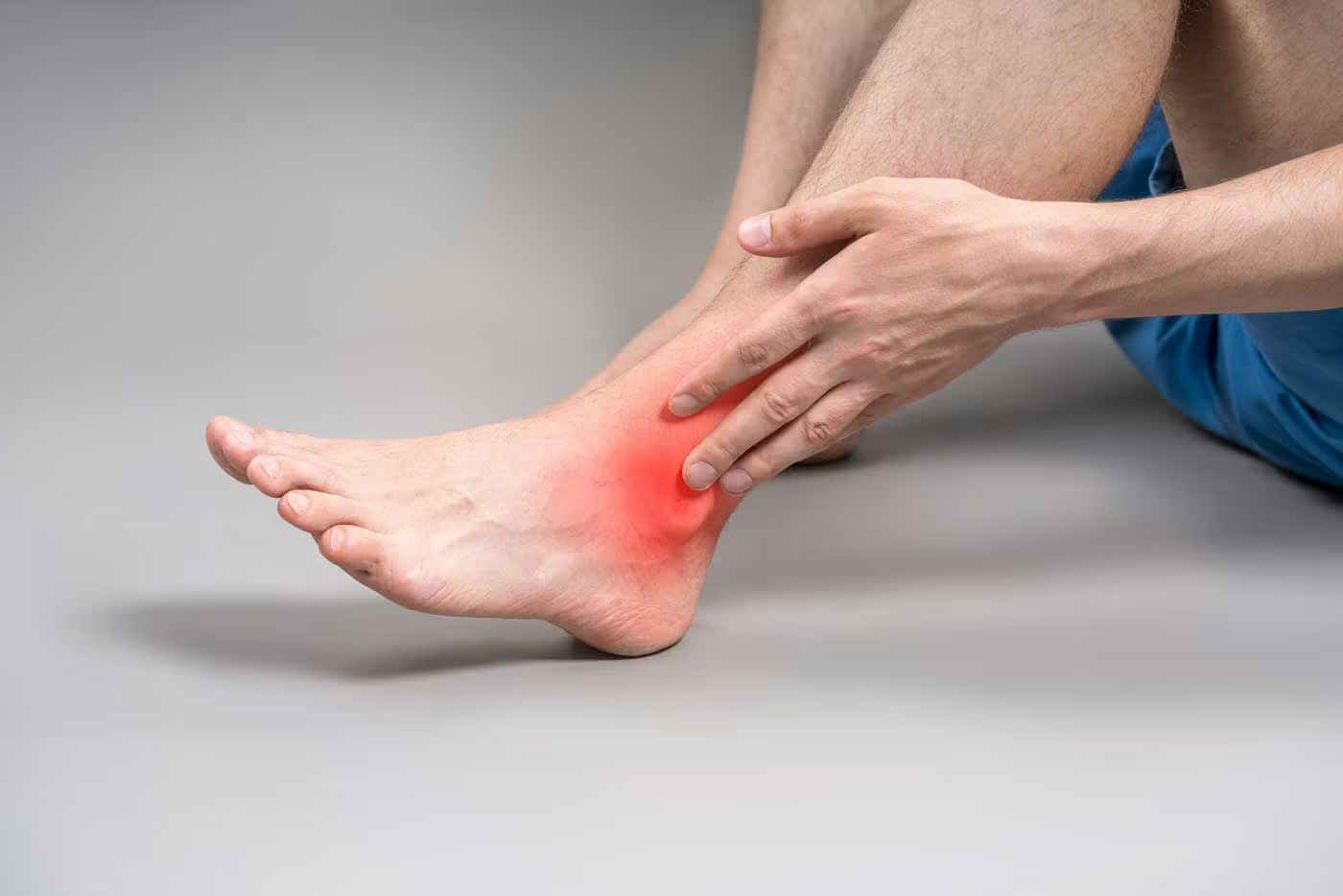
Posterior tibial tendon dysfunction (PTTD) is a common cause of pain and progressive flattening of the foot and ankle. It occurs when the posterior tibial tendon, a key stabilising tendon on the inside of the ankle, becomes overloaded, inflamed, or degenerative. This tendon plays a crucial role in supporting the arch and controlling foot movement during walking.
Posterior tibial tendon dysfunction can significantly affect mobility, balance, and daily activities if not identified and treated early.
What Is Posterior Tibial Tendon Dysfunction?
Posterior tibial tendon dysfunction develops when the posterior tibial tendon is no longer able to adequately support the arch of the foot. As the tendon weakens, the arch gradually collapses, leading to altered foot mechanics and increasing strain on surrounding structures.
PTTD is more common in adults over 40 and is often progressive if left untreated.
Posterior Tibial Tendon Dysfunction Symptoms
- Pain or aching along the inside of the ankle and foot
- Swelling and tenderness behind the inner ankle bone
- Progressive flattening of the foot arch
- Pain that worsens with walking or standing
- Fatigue or weakness in the foot and ankle
- Difficulty standing on tiptoes on the affected side
In later stages, pain may also develop on the outside of the ankle due to joint compression.
Causes of Posterior Tibial Tendon Dysfunction
The most common cause of PTTD is repeated overload of the posterior tibial tendon over time. This overload leads to tendon degeneration and reduced ability to support the arch.
Factors that increase risk include:
- Prolonged walking or standing
- Sudden increases in activity levels
- Flat feet or poor foot biomechanics
- Unsupportive or worn footwear
- Obesity or increased body weight
- Previous ankle injury or trauma
How Posterior Tibial Tendon Dysfunction Is Diagnosed
Posterior tibial tendon dysfunction is usually diagnosed through a detailed clinical assessment and review of symptoms. Your podiatrist will examine foot posture, tendon strength, and walking pattern.
Imaging such as ultrasound or MRI may be used to assess tendon integrity, inflammation, or tearing, and to determine the severity of the condition. Early diagnosis is important to prevent progression and avoid long-term deformity.
Posterior Tibial Tendon Dysfunction Treatment Options
Treatment for posterior tibial tendon dysfunction depends on the stage and severity of the condition. Many cases respond well to conservative treatment, including:
- Foot and ankle manipulation
- Footwear modification and orthotic support
- Strapping or bracing to support the arch
- Exercise rehabilitation to improve tendon strength
- Load management and activity modification
- Extracorporeal Shockwave Therapy (in selected cases)
If conservative management does not provide relief, further interventions such as immobilisation or injections may be considered. Surgery is reserved for advanced or progressive cases and is relatively uncommon when treatment is started early.
When to See a Podiatrist for Foot and Ankle Pain
If you experience:
- Ongoing pain or swelling on the inside of the ankle
- Progressive flattening of the foot
- Difficulty walking or standing for long periods
…it is important to seek professional assessment. Early treatment of posterior tibial tendon dysfunction improves outcomes and reduces the risk of long-term foot deformity or surgery.
Medical Disclaimer
This content is for informational purposes only and does not replace professional medical advice. Always consult a qualified podiatrist or healthcare professional for diagnosis and treatment of foot and ankle conditions.
Posterior Tibial Tendon Dysfunction (PTTD): Stage-Based Breakdown (I–IV)
Posterior tibial tendon dysfunction (PTTD) is a progressive condition that typically worsens over time if not treated appropriately. Clinicians often classify PTTD into four stages, based on tendon integrity, foot shape, and joint involvement.
Understanding the stage of PTTD is important, as treatment options and prognosis vary significantly between early and advanced stages.
Stage I PTTD – Tendon Inflammation Without Deformity
Stage I represents the earliest and most treatable phase of posterior tibial tendon dysfunction. At this stage, the tendon is inflamed or mildly degenerative, but the foot structure remains normal.
Common Features
- Pain and swelling along the inside of the ankle
- Tenderness behind the inner ankle bone
- Normal foot arch when standing
- Pain with walking or activity
- Able to perform a single-leg heel raise (often painful)
Treatment Focus
- Load management and activity modification
- Foot and ankle manipulation
- Supportive footwear and orthotics
- Exercise rehabilitation to improve tendon capacity
- Early intervention to prevent progression
Stage II PTTD – Flexible Flat Foot Deformity
Stage II is characterised by progressive tendon degeneration and the development of a flexible flat foot. The arch collapses during weight-bearing but remains correctable.
Common Features
- Persistent pain along the inside of the ankle and foot
- Visible flattening of the arch when standing
- Heel drifting outward (hindfoot valgus)
- Difficulty or inability performing a single-leg heel raise
- Forefoot abduction (“too many toes” sign)
Treatment Focus
- Structured orthotic support or bracing
- Footwear modification
- Targeted strengthening and rehabilitation
- Manual therapy to optimise joint mechanics
- Close monitoring to limit deformity progression
Stage III PTTD – Rigid Flat Foot Deformity
Stage III represents a more advanced condition where the flat foot deformity becomes rigid and non-correctable. Joint degeneration and stiffness are common at this stage.
Common Features
- Long-standing pain on the inside and outside of the ankle
- Fixed flattening of the foot arch
- Limited foot and ankle mobility
- Pain with walking and standing
- Difficulty fitting into footwear
Treatment Focus
- Bracing or ankle–foot orthoses (AFOs)
- Symptom management and load reduction
- Footwear modification
- Referral for surgical opinion may be considered
- Focus on maintaining function and reducing pain
Stage IV PTTD – Ankle Joint Involvement
Stage IV is the most severe form of posterior tibial tendon dysfunction. In addition to rigid flat foot deformity, the condition progresses to involve the ankle joint, leading to instability and arthritis.
Common Features
- Severe pain and deformity
- Ankle joint collapse or instability
- Progressive ankle arthritis
- Significant limitation in walking and daily activities
- Poor response to conservative care
Treatment Focus
- Immobilisation or bracing for symptom control
- Advanced orthotic or AFO support
- Pain management strategies
- Surgical management is often required
- Long-term functional support planning
Stage I PTTD – Tendon Inflammation Without Deformity
Stage I represents the earliest and most treatable phase of posterior tibial tendon dysfunction. At this stage, the tendon is inflamed or mildly degenerative, but the foot structure remains normal.
Common Features
- Pain and swelling along the inside of the ankle
- Tenderness behind the inner ankle bone
- Normal foot arch when standing
- Pain with walking or activity
- Able to perform a single-leg heel raise (often painful)
Treatment Focus
- Load management and activity modification
- Foot and ankle manipulation
- Supportive footwear and orthotics
- Exercise rehabilitation to improve tendon capacity
- Early intervention to prevent progression
Stage II PTTD – Flexible Flat Foot Deformity
Stage II is characterised by progressive tendon degeneration and the development of a flexible flat foot. The arch collapses during weight-bearing but remains correctable.
Common Features
- Persistent pain along the inside of the ankle and foot
- Visible flattening of the arch when standing
- Heel drifting outward (hindfoot valgus)
- Difficulty or inability performing a single-leg heel raise
- Forefoot abduction (“too many toes” sign)
Treatment Focus
- Structured orthotic support or bracing
- Footwear modification
- Targeted strengthening and rehabilitation
- Manual therapy to optimise joint mechanics
- Close monitoring to limit deformity progression
Stage III PTTD – Rigid Flat Foot Deformity
Stage III represents a more advanced condition where the flat foot deformity becomes rigid and non-correctable. Joint degeneration and stiffness are common at this stage.
Common Features
- Long-standing pain on the inside and outside of the ankle
- Fixed flattening of the foot arch
- Limited foot and ankle mobility
- Pain with walking and standing
- Difficulty fitting into footwear
Treatment Focus
- Bracing or ankle–foot orthoses (AFOs)
- Symptom management and load reduction
- Footwear modification
- Referral for surgical opinion may be considered
- Focus on maintaining function and reducing pain
Stage IV PTTD – Ankle Joint Involvement
Stage IV is the most severe form of posterior tibial tendon dysfunction. In addition to rigid flat foot deformity, the condition progresses to involve the ankle joint, leading to instability and arthritis.
Common Features
- Severe pain and deformity
- Ankle joint collapse or instability
- Progressive ankle arthritis
- Significant limitation in walking and daily activities
- Poor response to conservative care
Treatment Focus
- Immobilisation or bracing for symptom control
- Advanced orthotic or AFO support
- Pain management strategies
- Surgical management is often required
- Long-term functional support planning

Why Early Diagnosis Matters
Posterior tibial tendon dysfunction is much easier to manage in Stages I and II. Early diagnosis and appropriate treatment can slow or halt progression, preserve foot structure, and significantly reduce the likelihood of surgery.
If pain or swelling along the inside of the ankle is present, early assessment by a podiatrist or foot and ankle professional is strongly recommended.
FAQs
PTTD FAQs
Is posterior tibial tendon dysfunction permanent?
Not always. Many people experience significant improvement with early and appropriate treatment.
Can posterior tibial tendon dysfunction heal on its own?
Mild cases may improve with rest and support, but the condition is unlikely to fully resolve without professional guidance.
What shoes are best for posterior tibial tendon dysfunction?
Supportive shoes with good arch support, a firm heel counter, and secure fastening such as laces or Velcro are recommended. Structured running shoes or stability trainers often provide effective support.